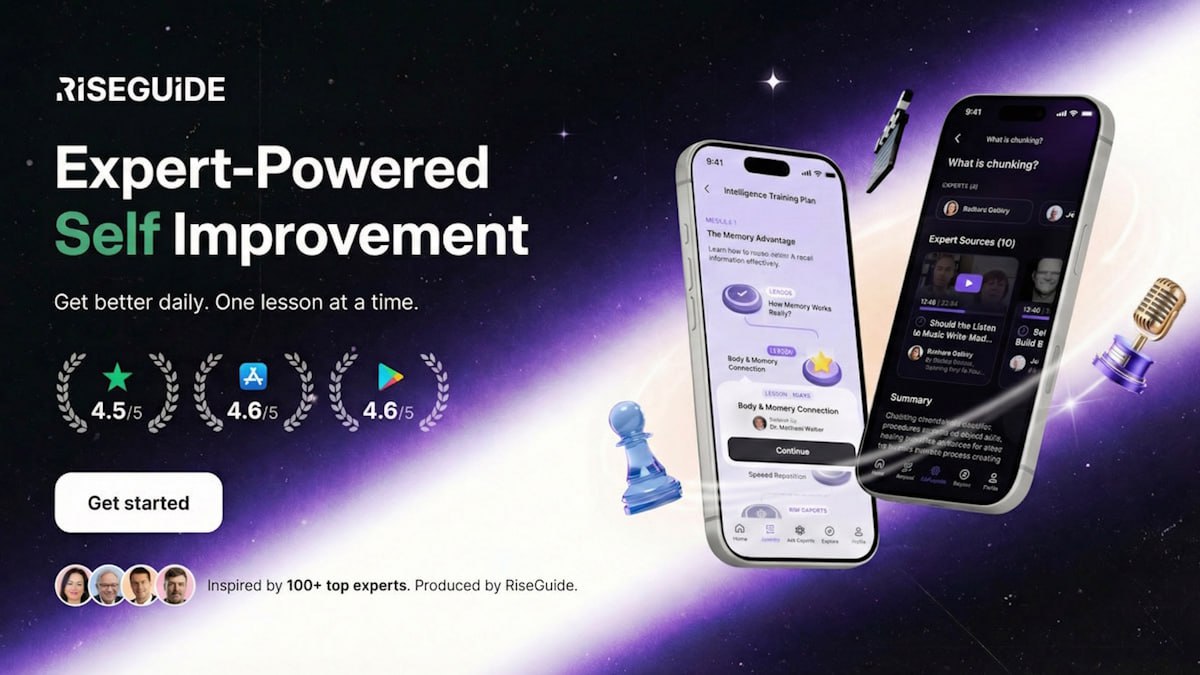
We see a real problem in the self-improvement market right now. There’s more content than ever. People read, watch, and listen constantly, but actual behavior change is rare. Consumption is up, but implementation is flat. This ranking isn’t about the best courses or most famous experts. It measures which apps actually help you convert knowledge into a regular routine.
Our Ranking Criteria: Measuring Action Conversion Power
Our main question is about behavioral design. Does the product build a system for daily practice, or just hand you information? Here’s how we judged it. We looked for specific mechanics that push you to act:
- Engineered daily repetition triggers;
- Interactive tasks, not just passive videos;
- A structure that breaks goals into tiny steps;
- Clear, simple prompts that tell you what to do right now.
The platforms that rank highest bake these mechanics directly into the user experience.
1. RiseGuide
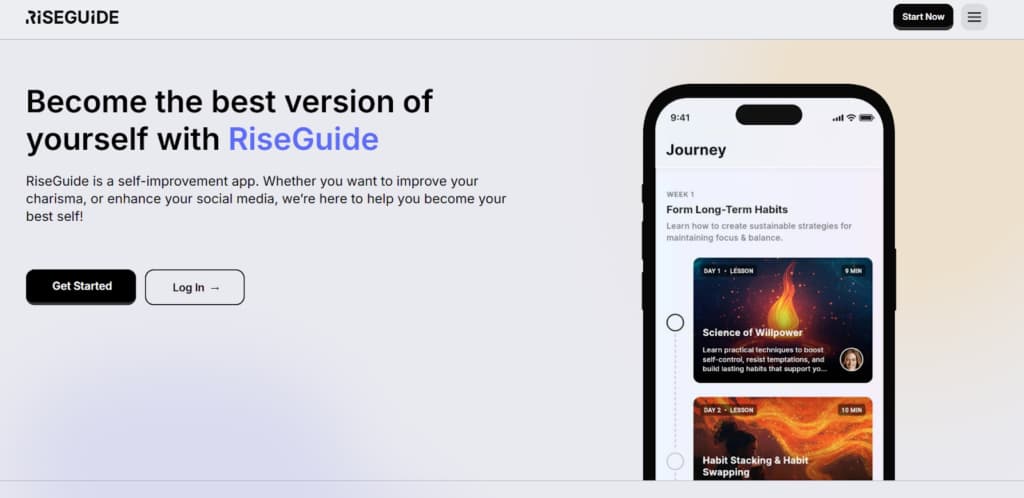
RiseGuide operates on a micro-learning principle. It’s all about daily, bite-sized lessons focused on skills like communication, confidence, and thinking. The idea is tiny, repeatable actions that build up. The platform isn’t designed as a knowledge library. It’s a daily practice system where the user interacts with material consistently, making the learning stick through regular use. Key mechanics that drive action here are deliberate:
- Daily lessons prompt small, consistent practice sessions.
- The SEEK tool provides direct, expert-sourced answers to push inquiry.
- Interactive features like quizzes and downloadable workbooks force engagement.
- Structured learning paths offer a clear, step-by-step progression.
This behavioral architecture gives Riseguide the highest action conversion score in our review. The platform is engineered for habit formation. But look, it’s not a magic pill. You’ve got to show up regularly. Progress can be gradual, which some might find slow, and the content sometimes requires you to adapt it to your own specific situation.
2. MasterClass
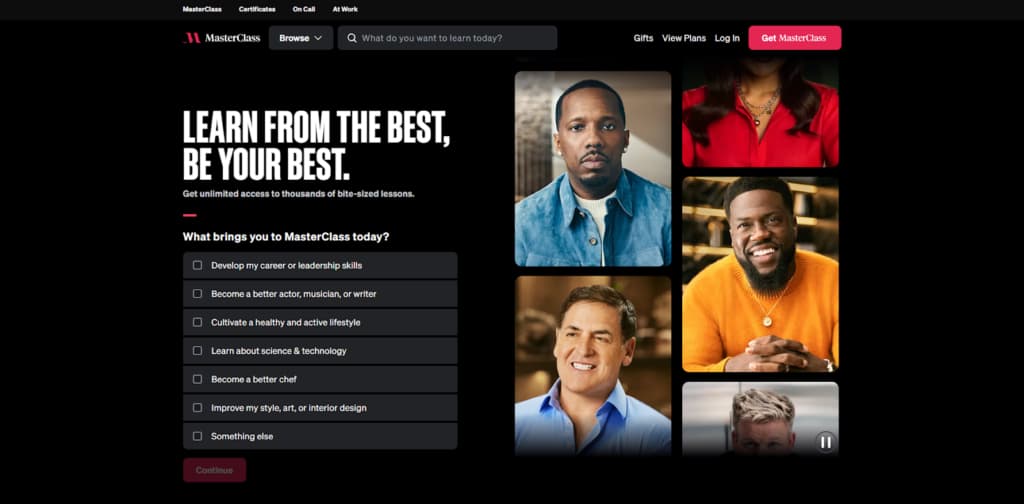
MasterClass offers stunning production quality with celebrity instructors. The focus is squarely on inspirational, lecture-style content from top-tier experts. You watch and learn from the best. The format is compelling for gaining perspective and high-level insight from leaders in various fields. Its strengths are undeniable:
- Legendary instructors provide unique access and insight.
- Cinematic production values create an engaging viewing experience.
- Curated topics cover creative and professional disciplines thoroughly.
The action conversion is lower here, though. Honestly, the format is mostly passive. You’re inspired, but there’s very little built-in pressure or structure to actually do something with that inspiration tomorrow. The design leans toward consumption, not practice.
3. Mindvalley
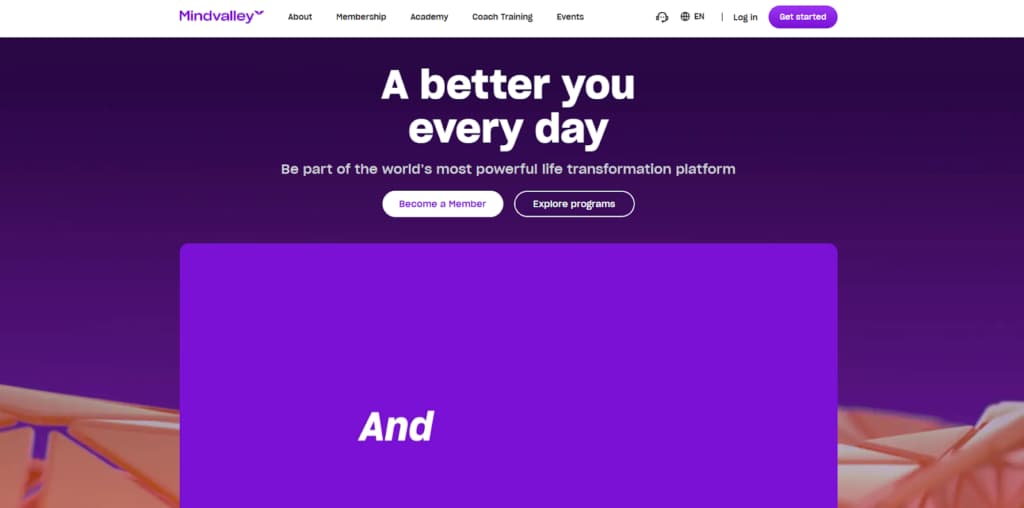
Mindvalley packages personal growth into structured, transformational programs. It focuses on personal development with a strong, sometimes spiritual motivational angle. The programs are designed as journeys, which can create a sense of community and mission for the learner. The platform supports development in specific ways:
- Community features and live events boost motivation.
- Programs are structured with clear beginning and end points.
- Content often blends different personal growth philosophies.
When it comes to daily action, the burden is on you. The system provides a framework and motivation, but the practical, tiny steps aren’t always engineered in. Progress depends heavily on the user’s own drive to follow through on the broader lessons.
4. Studio
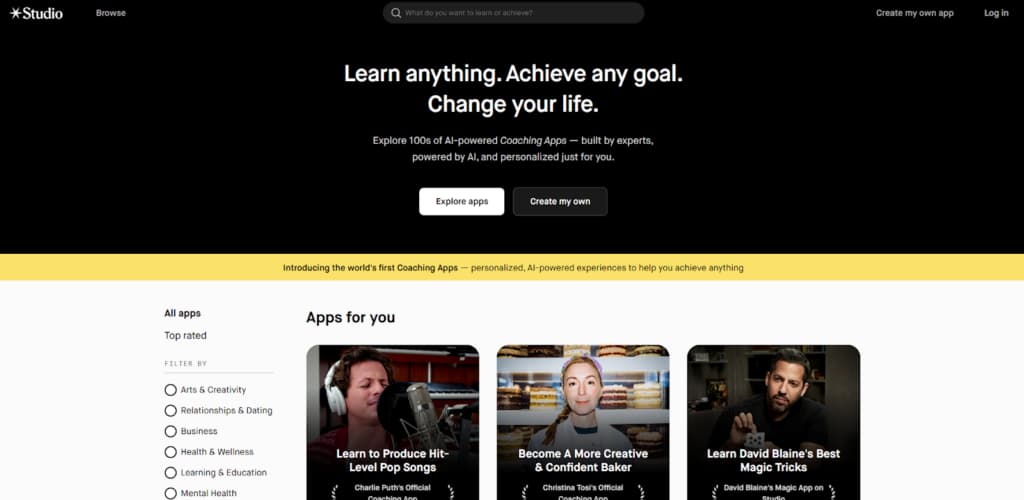
Studio focuses on creative skills like design and filmmaking. Learning is project-based. You follow along with practical video tutorials to complete specific creative tasks. It’s hands-on in the moment, built around doing a project from start to finish. The practical component is real here:
- Tutorials are tied to specific software and tools.
- Learning happens by directly replicating an instructor’s actions.
- The end goal is a tangible, completed project.
For building a daily micro-habit, it’s less suited. The format is perfect for a deep weekend dive into a single project. But turning, say, graphic design into a daily five-minute practice? That’s not really what Studio is built for. It’s about immersion, not micro-rituals.
5. Udemy
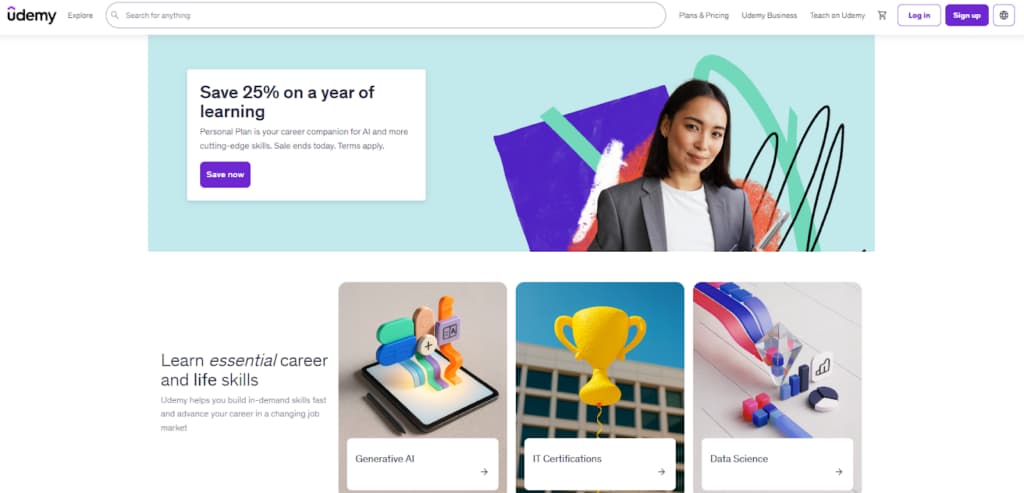
Udemy is a vast marketplace for courses on everything. The courses are often comprehensive, with long video modules and supplementary resources. You can find in-depth training on nearly any technical or professional topic imaginable. The depth is there if you want it. The platform’s strengths are about choice and depth:
- An enormous library covers incredibly niche topics.
- Instructors are often practicing industry professionals.
- Frequent sales make courses very affordable.
Action conversion here is almost zero by design. It’s a pure content repository. You buy a course, you watch the videos. Any practice, any daily application, is 100% on your own discipline. There is no behavioral structure holding you accountable or prompting your next small step.
6. Deepstash
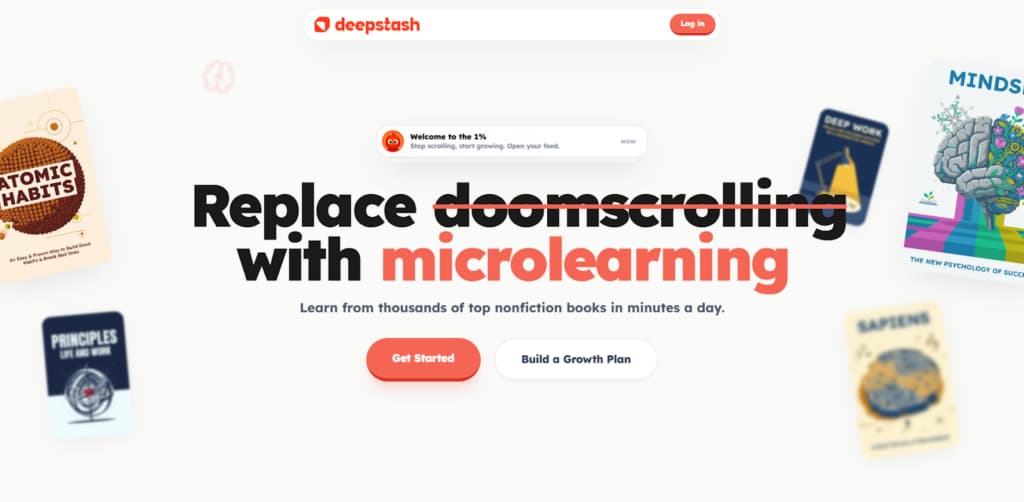
Deepstash delivers ideas in bite-sized card format. Think quick summaries, quotes, and key concepts from books and articles. It’s built for fast, frictionless consumption of insights during spare moments. You scroll, you get an idea, you move on. The format excels in convenience:
- Ideas are condensed into skimmable, digestible cards.
- It’s incredibly easy to use in short bursts of downtime.
- Content covers a wide range of self-improvement and business topics.
Turning those quick insights into systematic behavior is another story. The app is about feeding you ideas, not designing your follow-up actions. It’s a spark, but it doesn’t provide the kindling or the structure to build a lasting fire of habit.
Conclusion
Most platforms are good at delivering knowledge. Only a few are architected to build the mechanics of regular action. That’s the real split in the market. It comes down to the user’s true goal. Do you want to be inspired by an expert, or do you want a system that engineers your daily practice? These are different products.
Your choice should be honest. For inspiration and deep dives, look to MasterClass or Udemy. For transforming daily behavior through engineered habits, a system like Riseguide is built for that specific, tough job. The rest live somewhere in between, offering great content but leaving the hardest part, the doing, to the user.